Why Farmers Around Badhra Are Switching to Solar Water Pumps
For farmers in and around Badhra and Lohara Road in Haryana, irrigation has always meant one thing: unreliable and expensive power. Diesel pumps eat into already thin margins, and grid electricity for tube wells is often available only for a few hours a day. Solar water pumps are changing that equation, and more farmers in the region are asking about them every season.
The Problem with Diesel and Grid-Dependent Pumps
A diesel pump running for irrigation can cost a farmer several hundred rupees a day in fuel alone, not counting maintenance and the time spent transporting diesel. Grid power, on the other hand, is subsidised but unpredictable — many parts of rural Haryana still get restricted daytime supply, which forces farmers to irrigate at odd hours, often at night, when it's harder to monitor water use and equipment.
How a Solar Water Pump Works for a Farm Like Yours
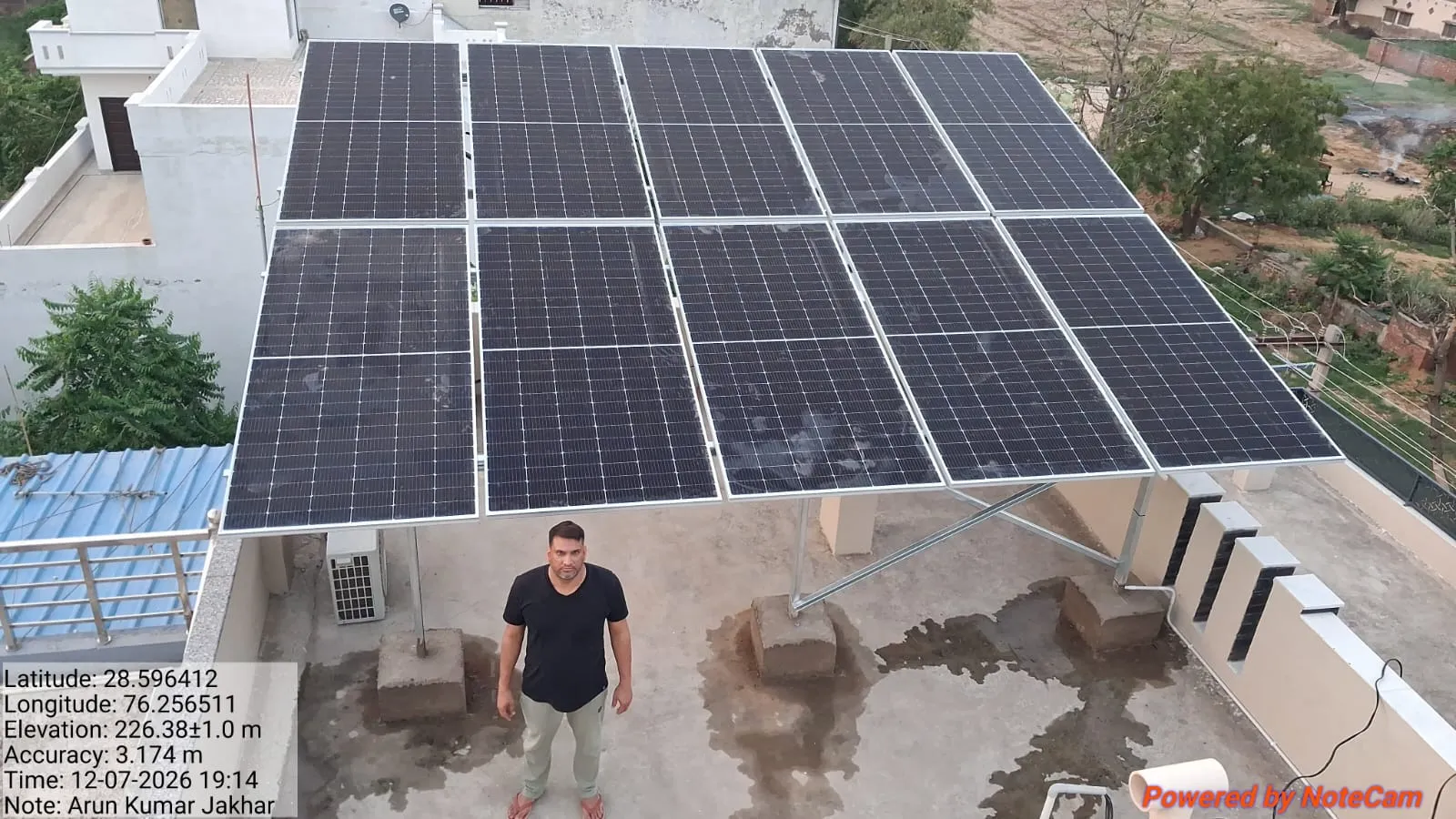
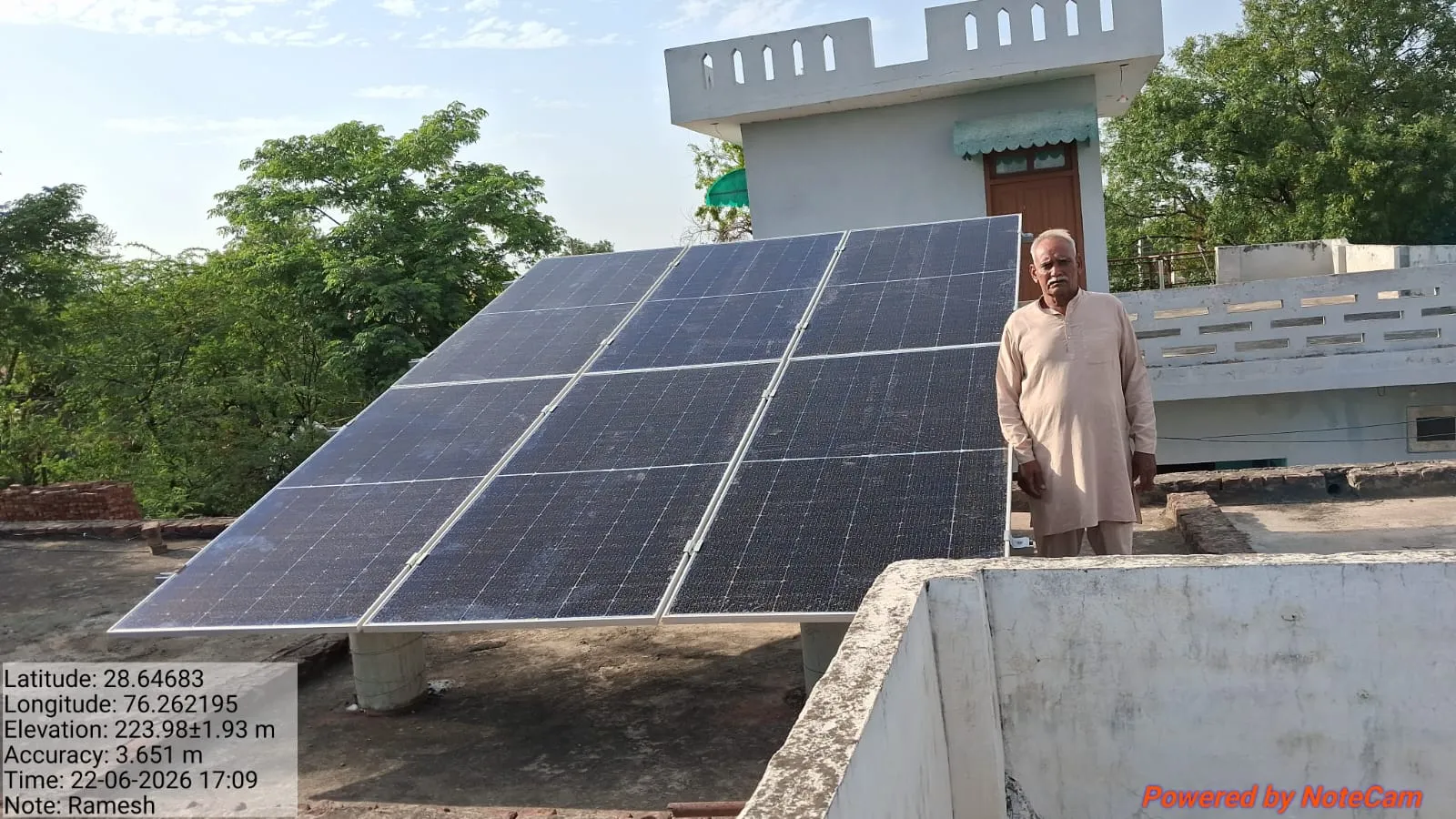
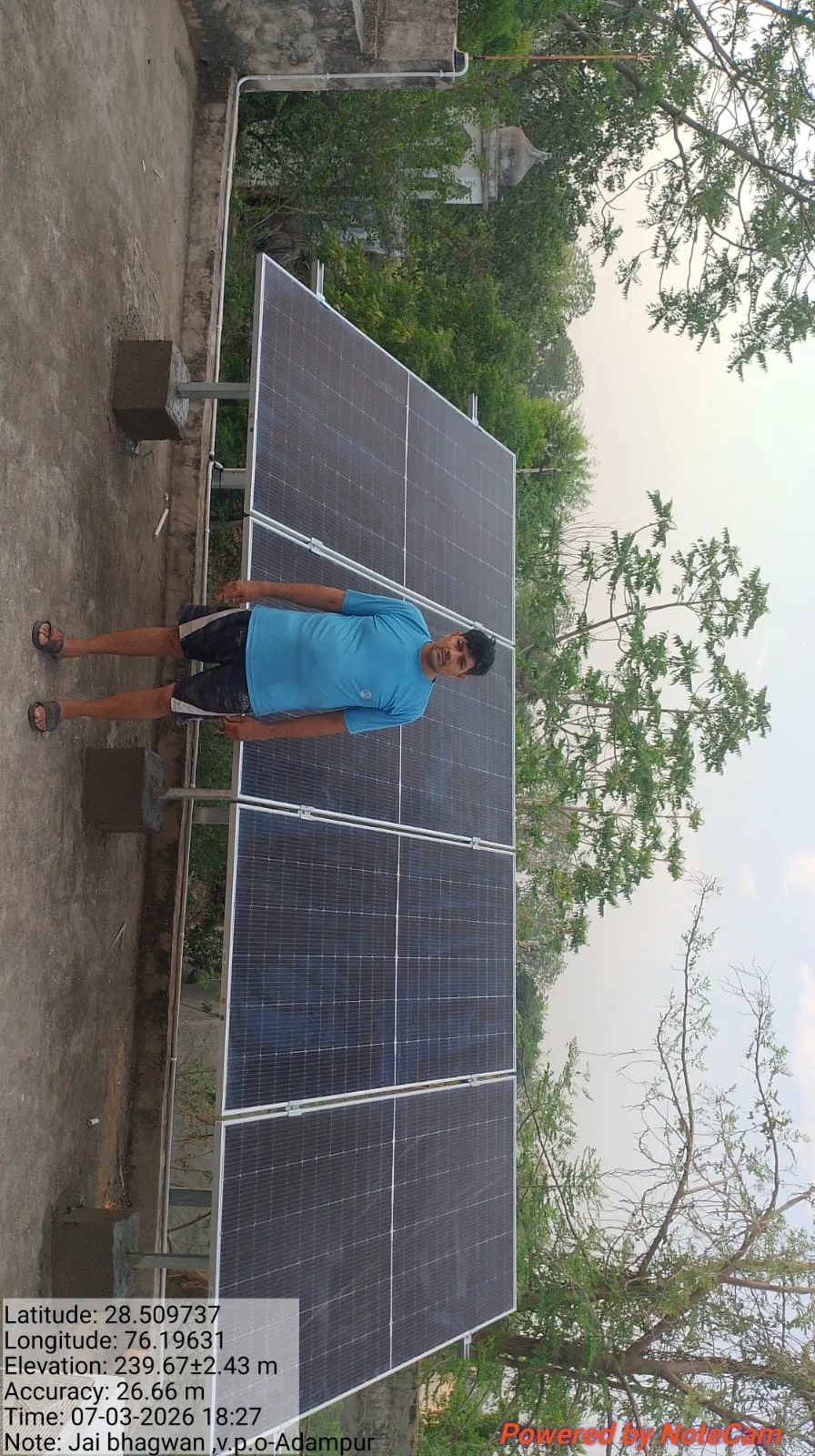
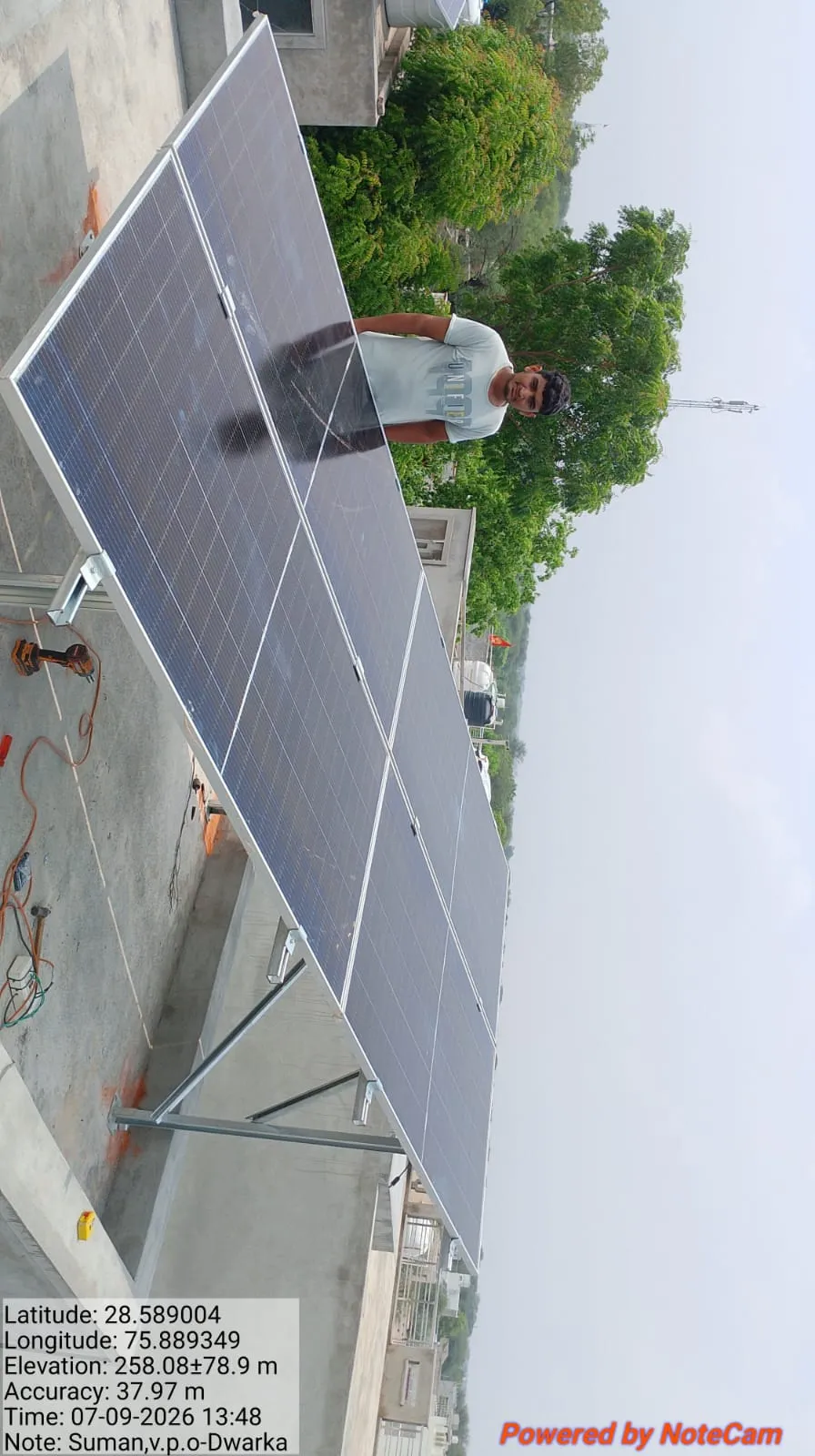
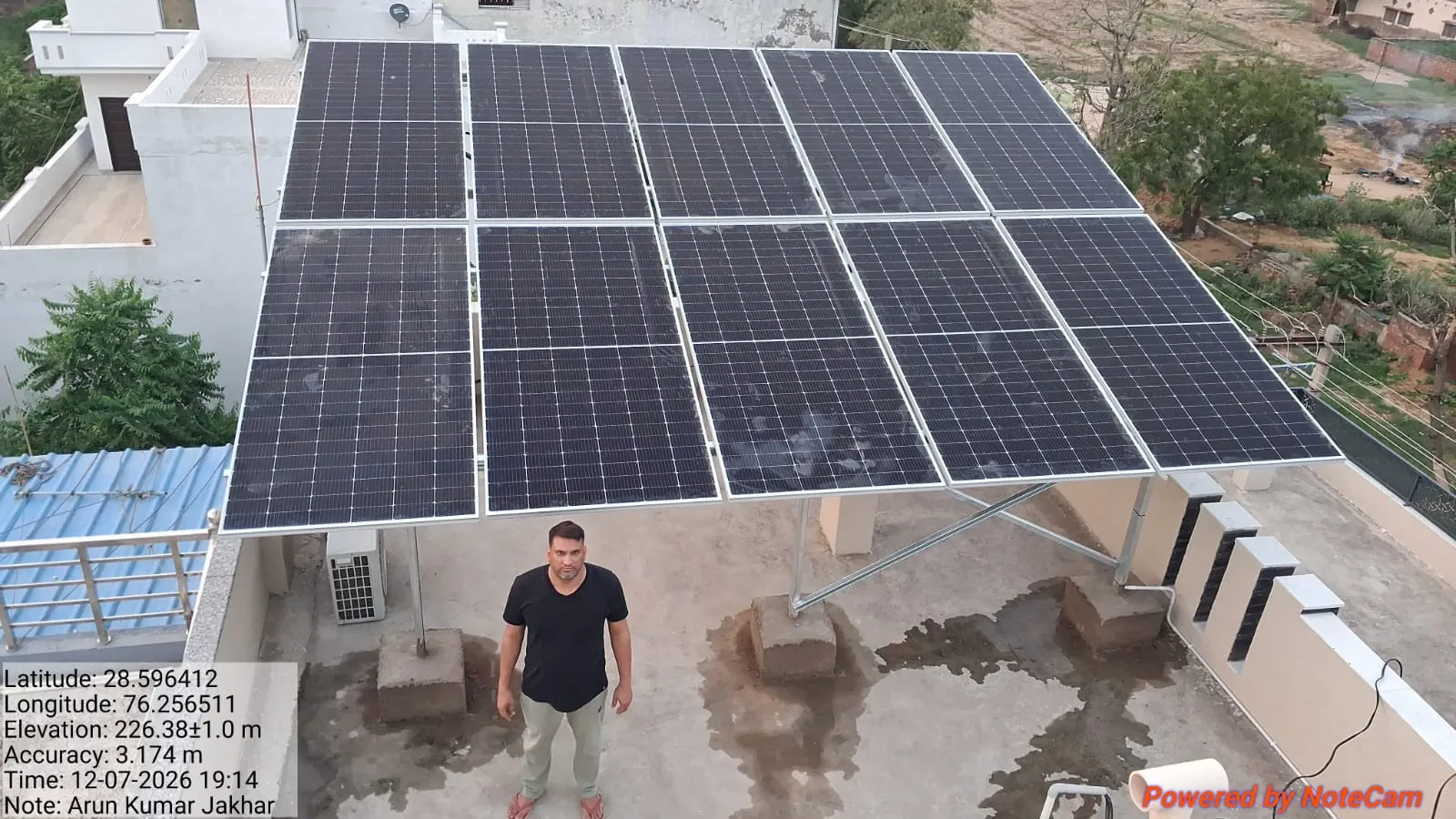
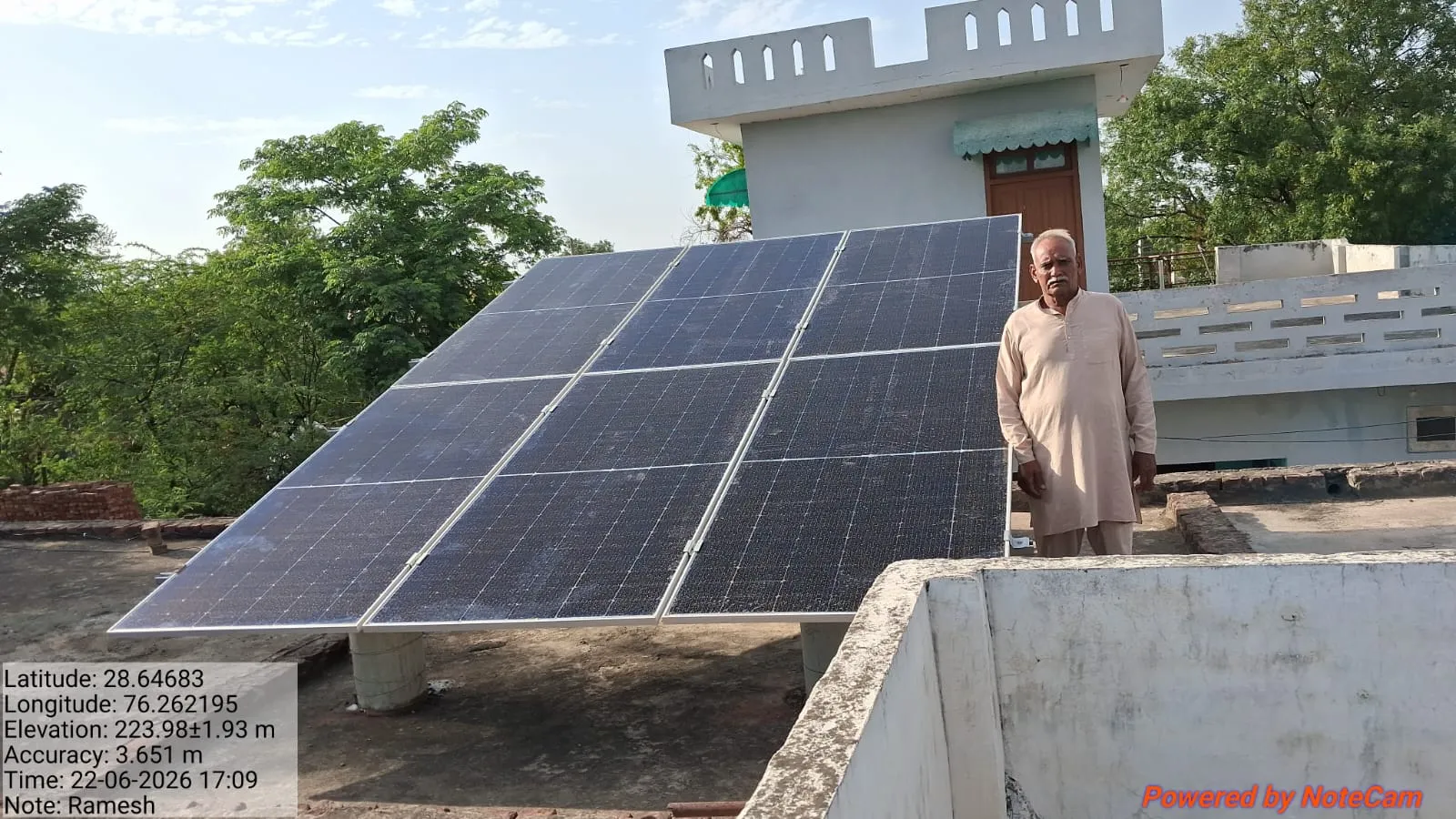
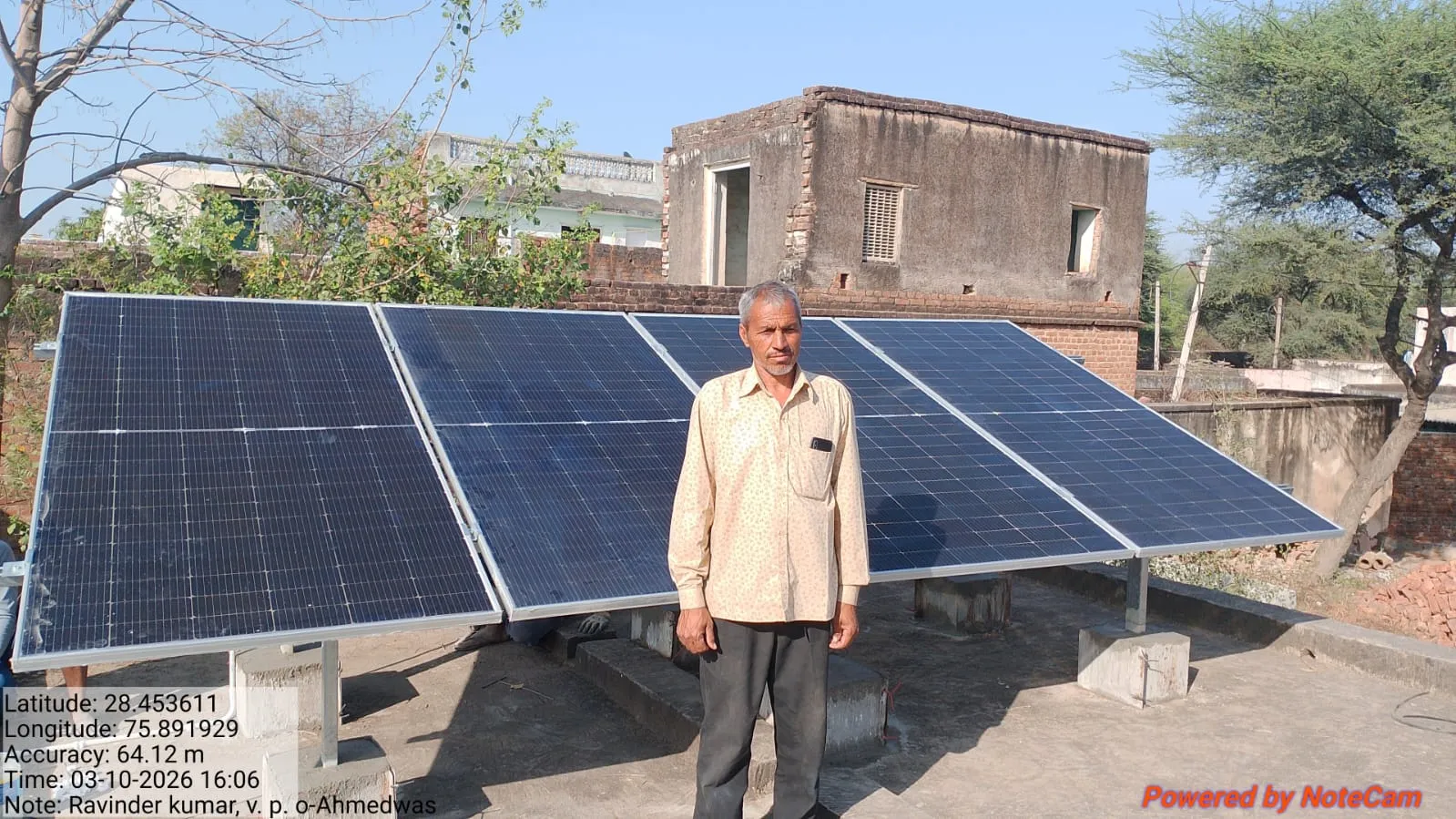
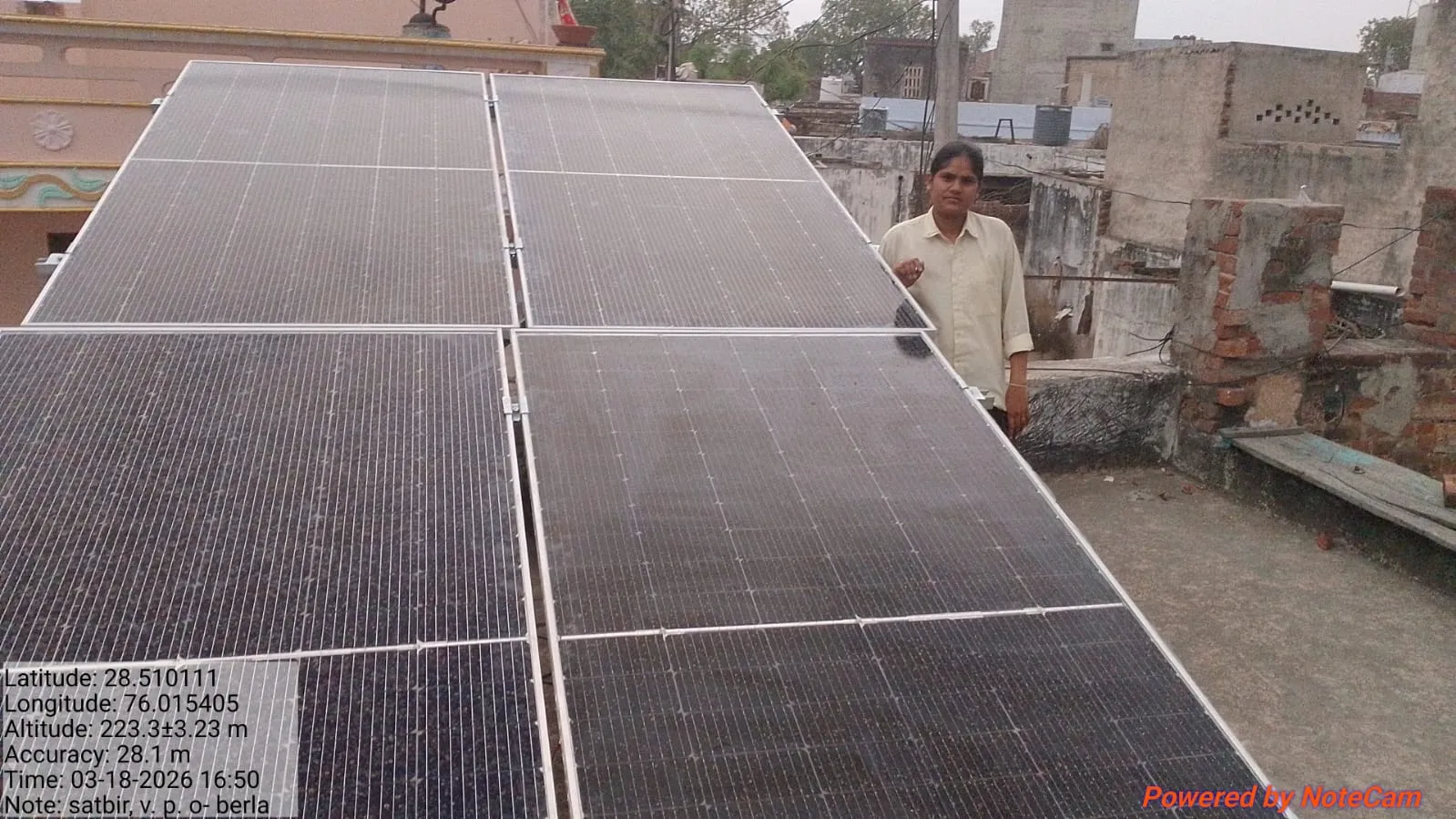
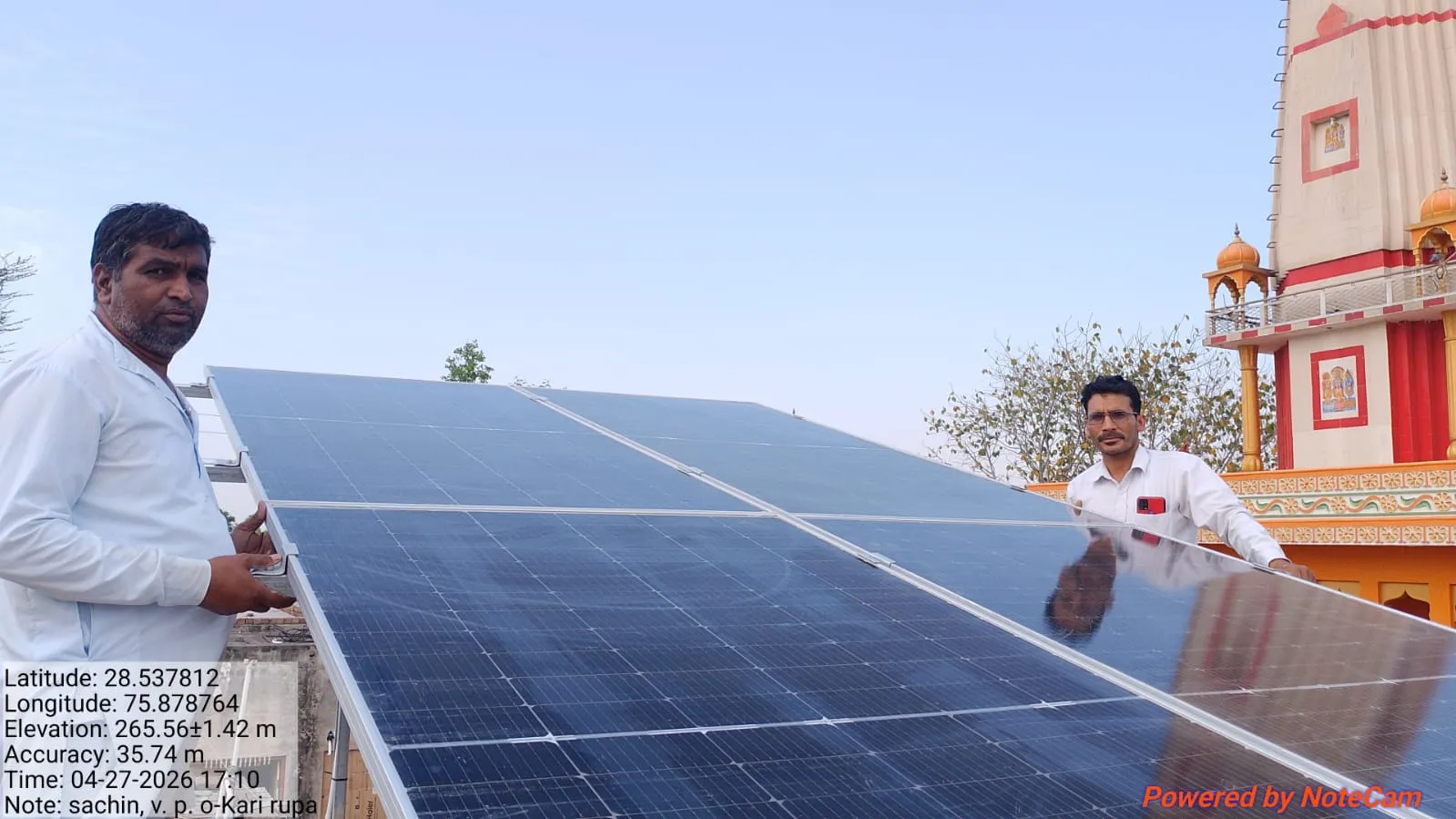
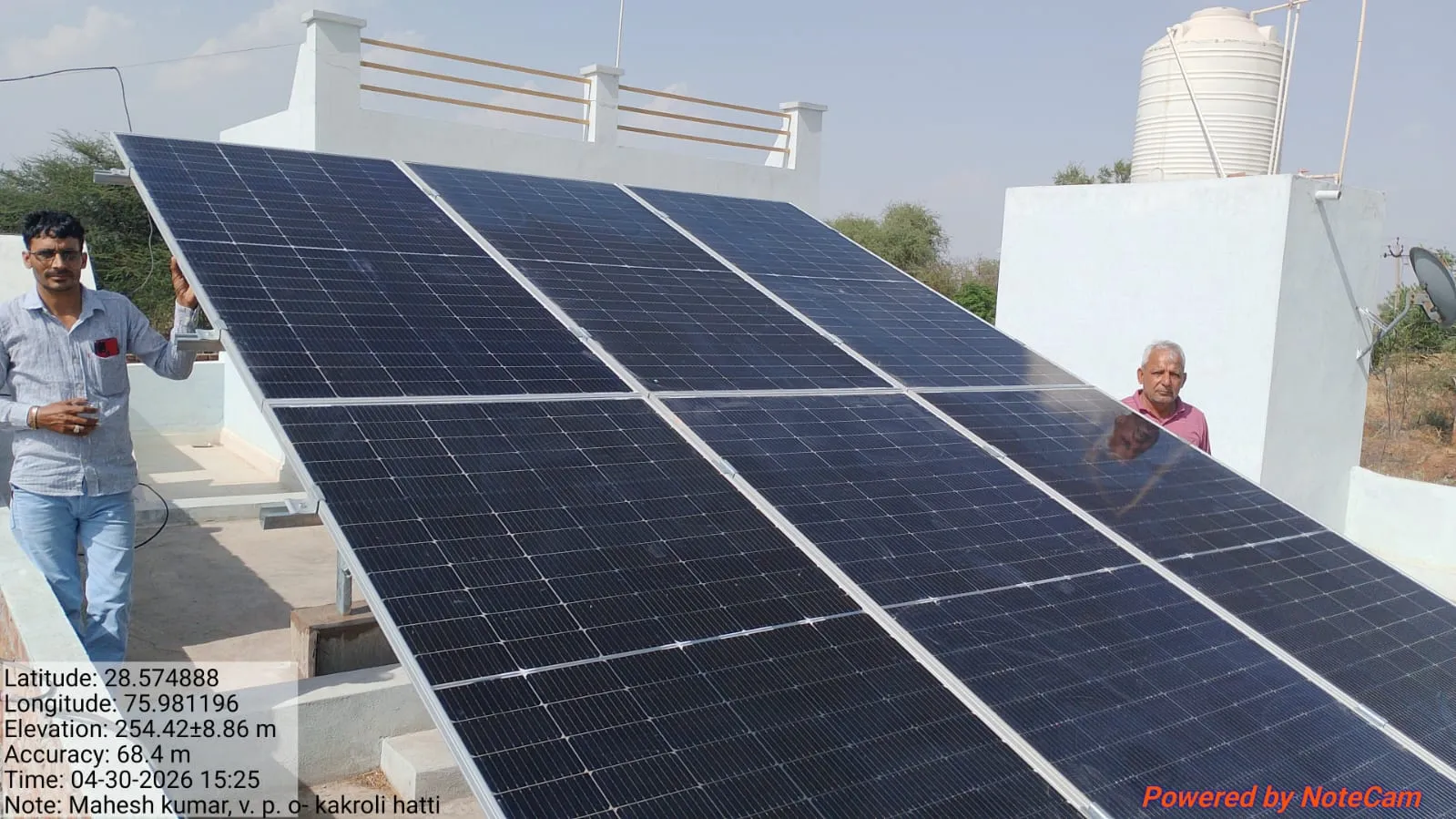
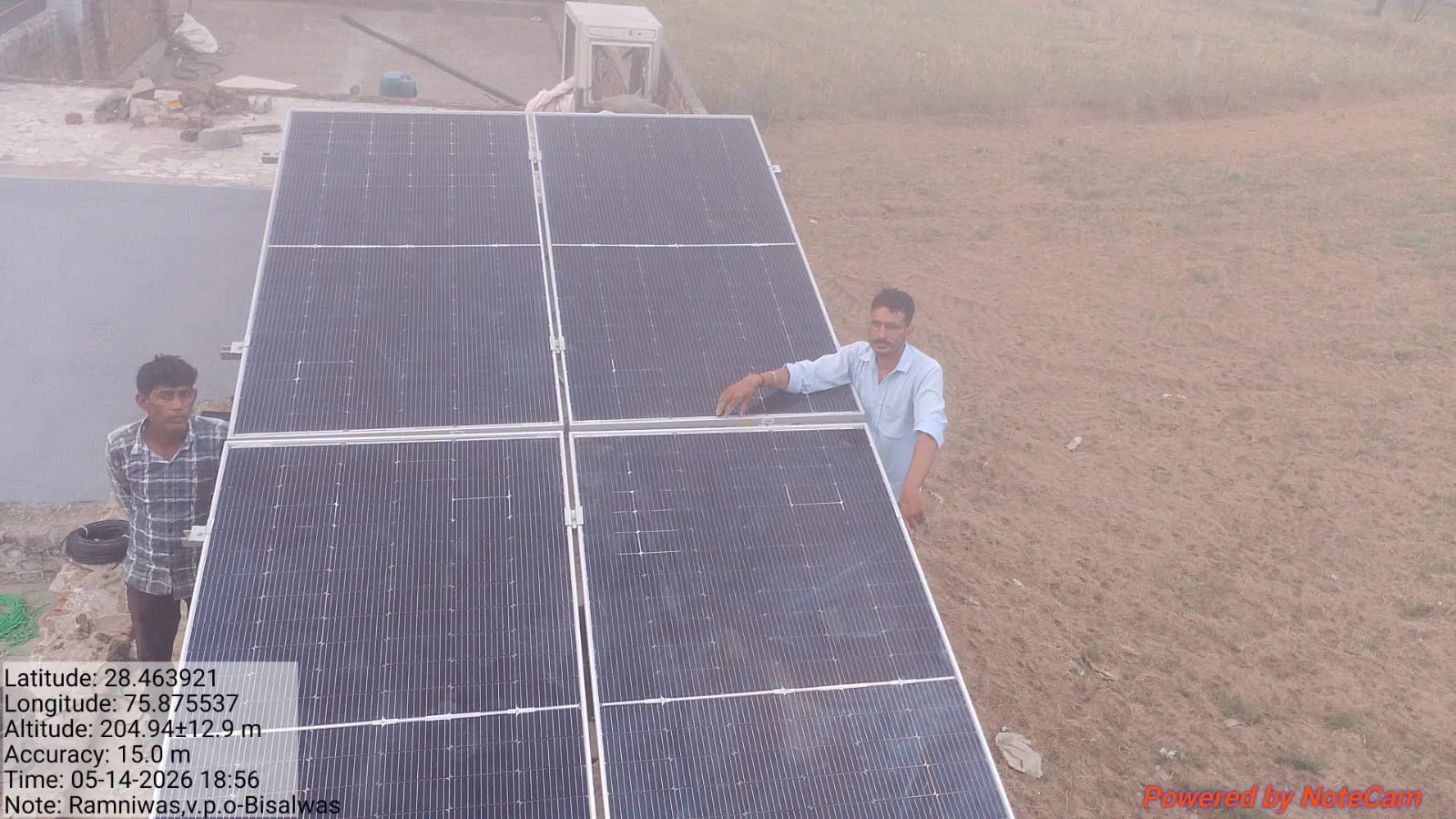
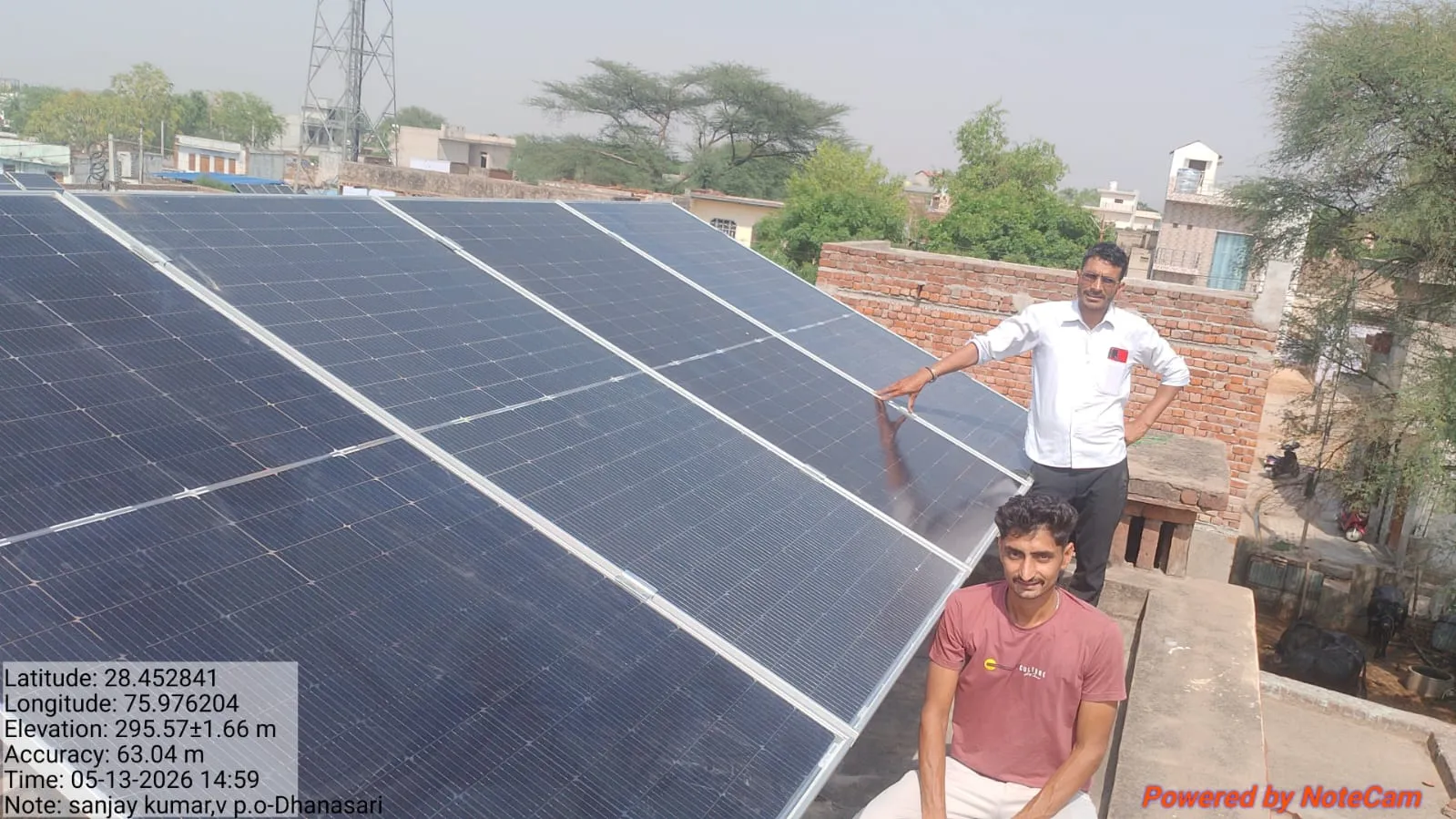
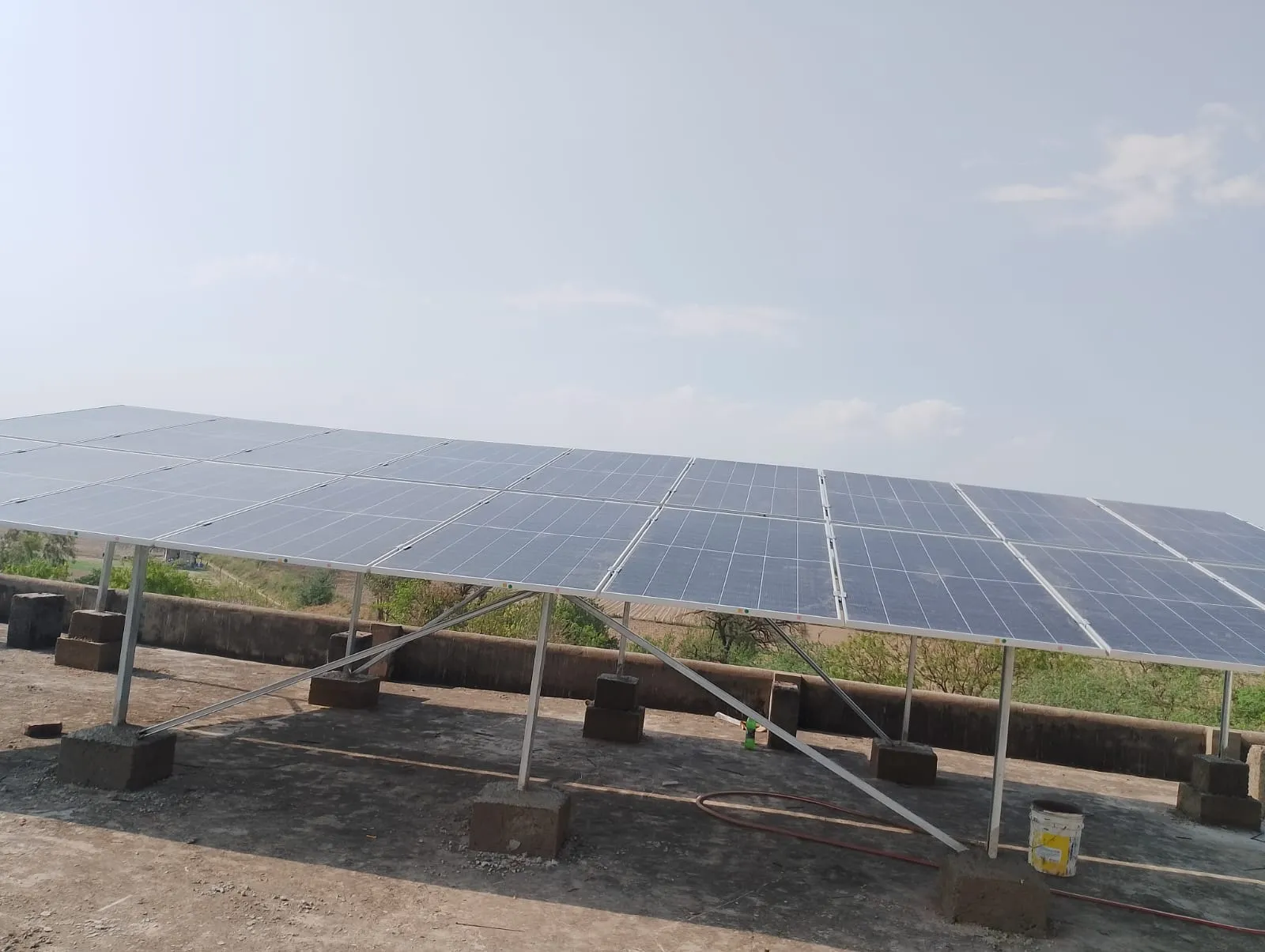
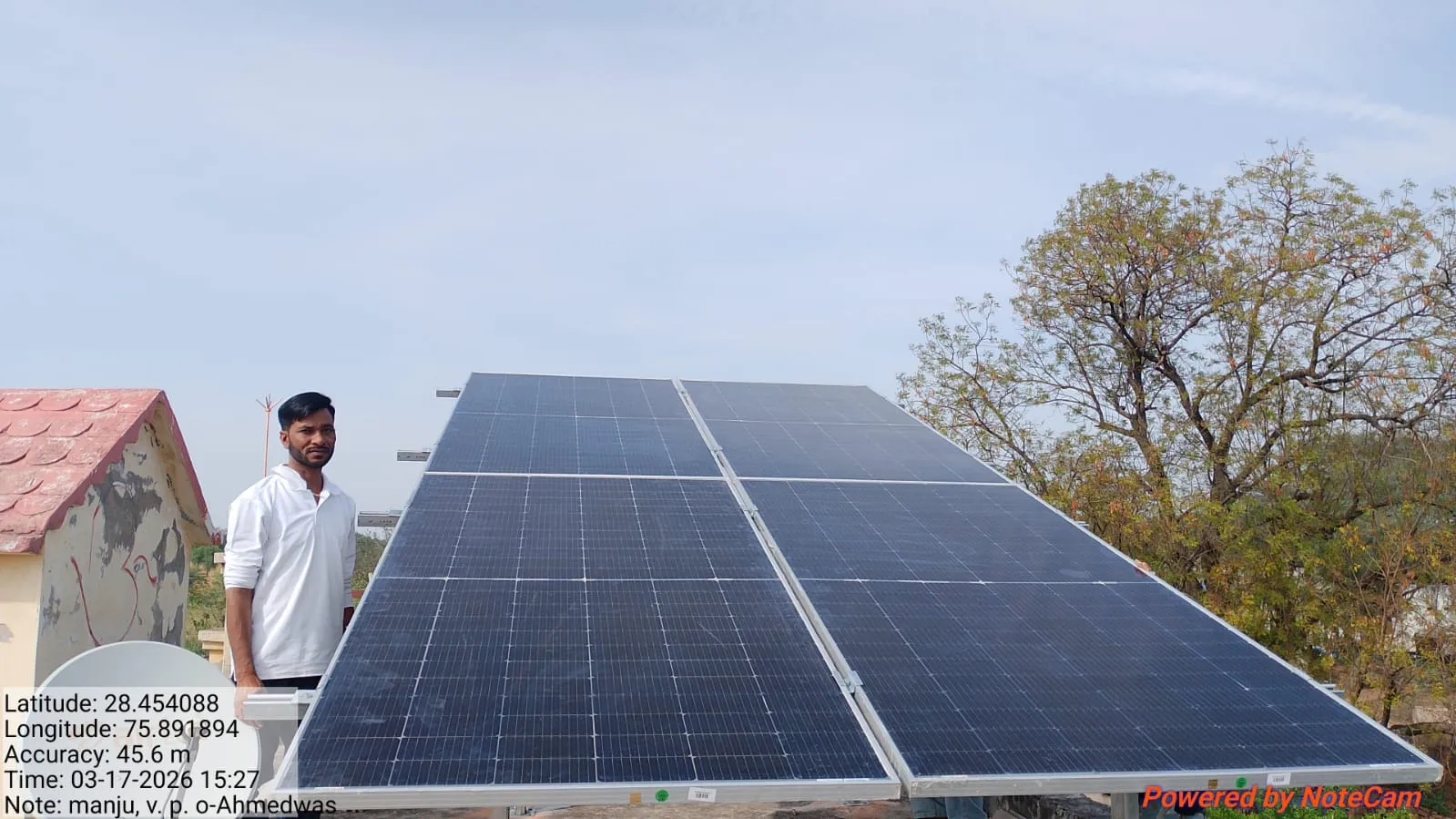
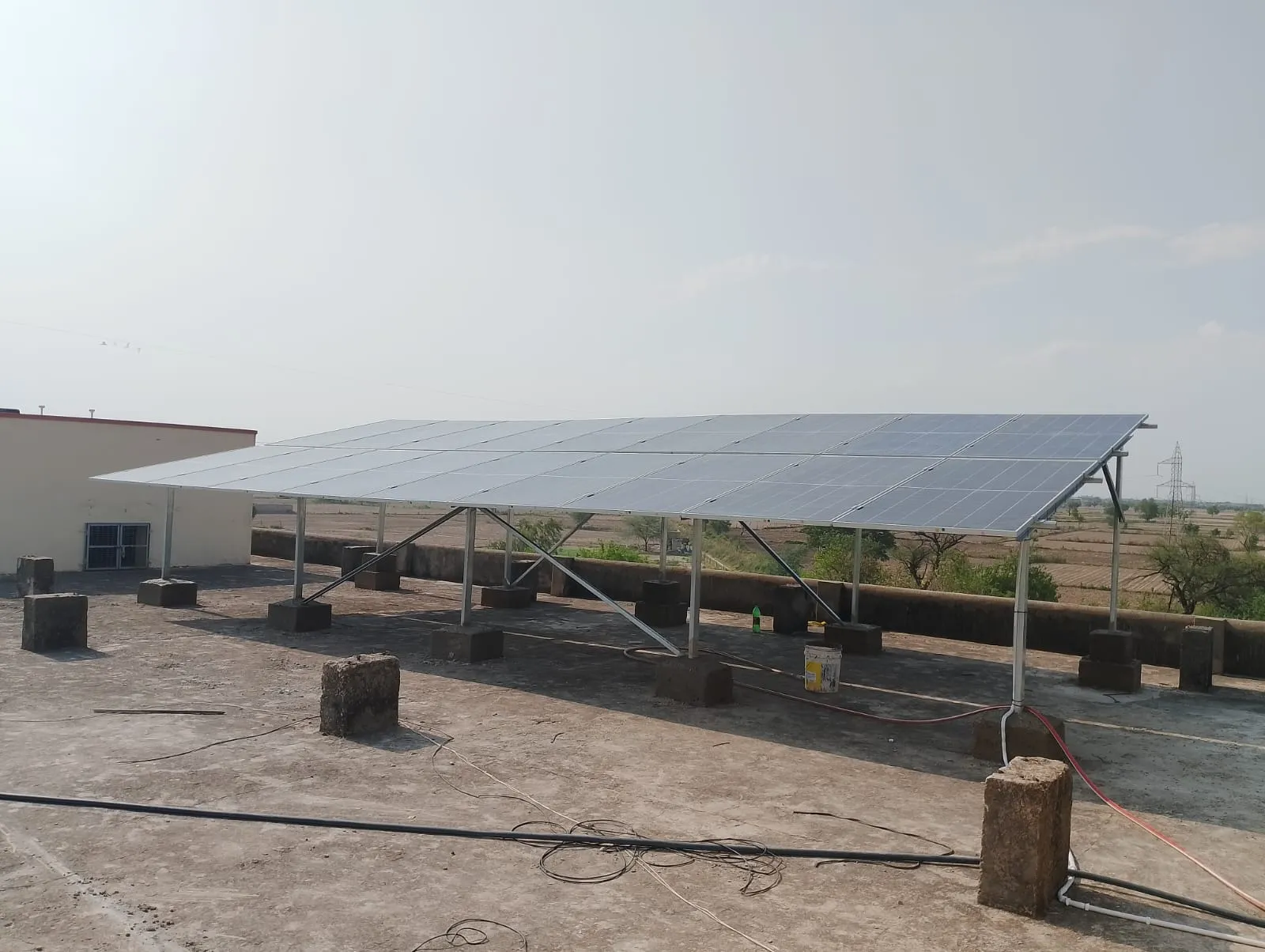
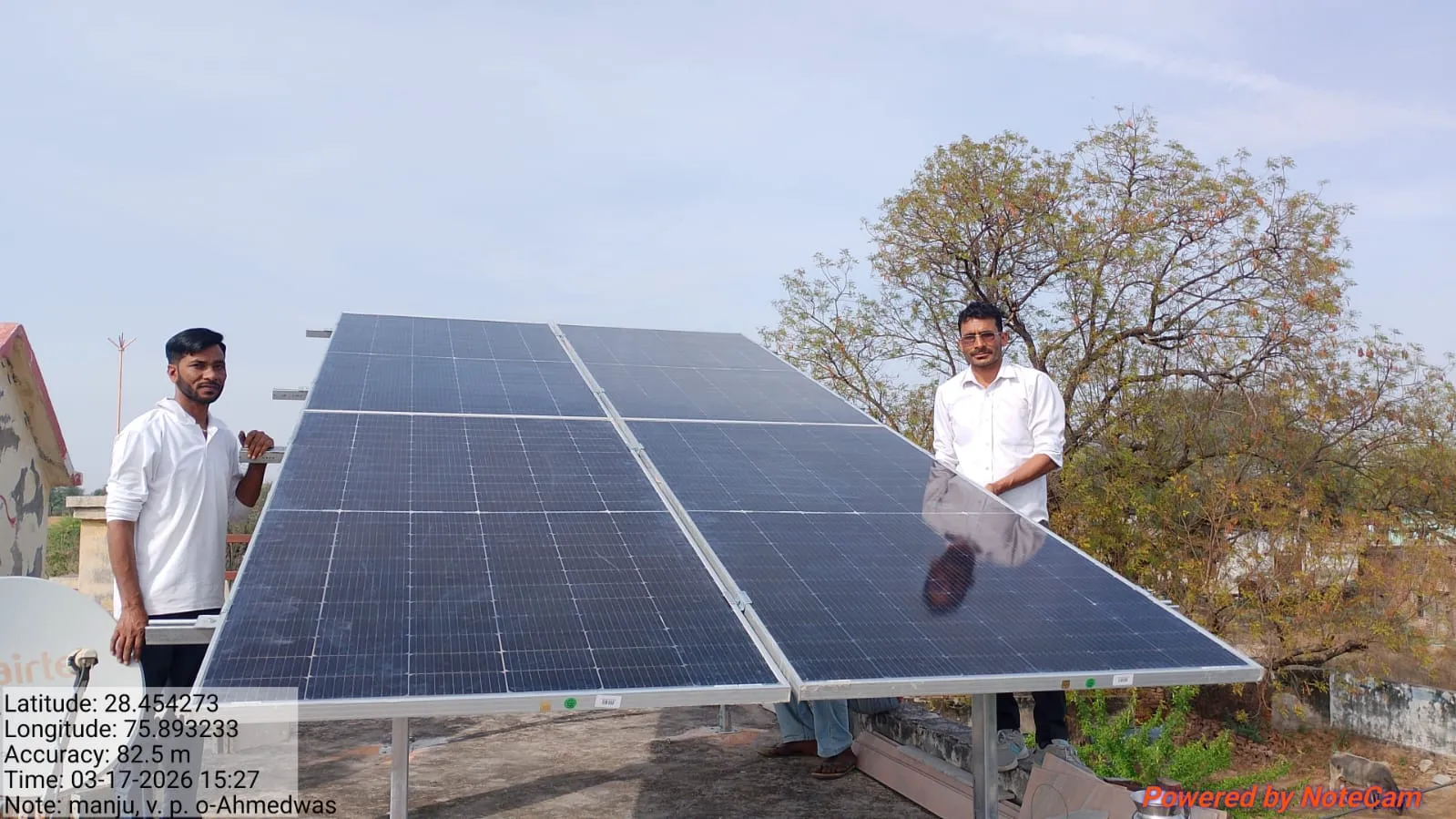
A solar water pump uses panels installed near the field or tube well to run the pump directly off sunlight, usually with no batteries required for daytime irrigation. Because peak sunlight hours in Haryana line up closely with the hours farmers actually want to irrigate, the system works well without needing expensive storage.
Once installed, running costs are close to zero — there's no diesel to buy and no dependence on when the grid decides to supply power. Most systems are also built to be low-maintenance, since the biggest components (panels) have no moving parts.
What It Means for a Farm Near Badhra
- Independence from erratic grid supply — irrigate on your own schedule
- No recurring fuel cost — the panels pay for themselves over a few seasons
- Lower long-term cost per acre irrigated, once the upfront investment is recovered
- Eligible for government support under various state and central solar irrigation schemes, which can significantly reduce the upfront cost for farmers
Getting Started
Every farm is different — the right pump size depends on your tube well depth, the area under irrigation, and your crop's water needs. A short site visit is usually enough to work out the right capacity and give an accurate cost estimate.
If you farm around Badhra, Lohara Road, or nearby villages and are tired of diesel bills and erratic power, it's worth getting a proper site assessment before the next sowing season.